Hey sorry guys for the long overdue update! A heck lot of stuff are going on and I have been busy with sorting out them and again, sorry for writing this post so late!
As I mentioned in my previous post that I went on a trip to Japan. Japan is such a wonderful country to visit with very kind people, lots of tasty food and great sightseeing. It would have been better if its summer were less hotter (38 degrees when I was in Kyoto!).

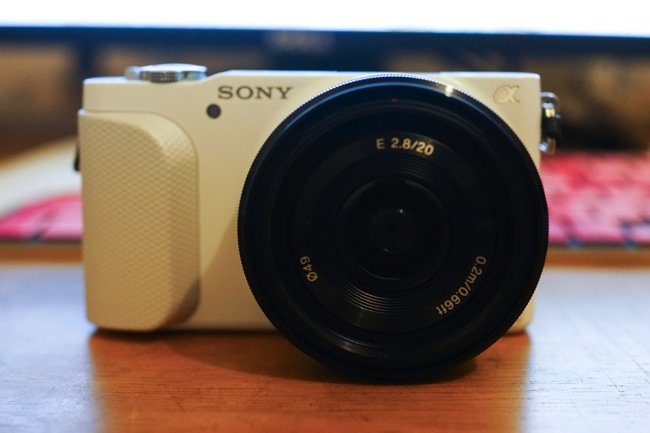
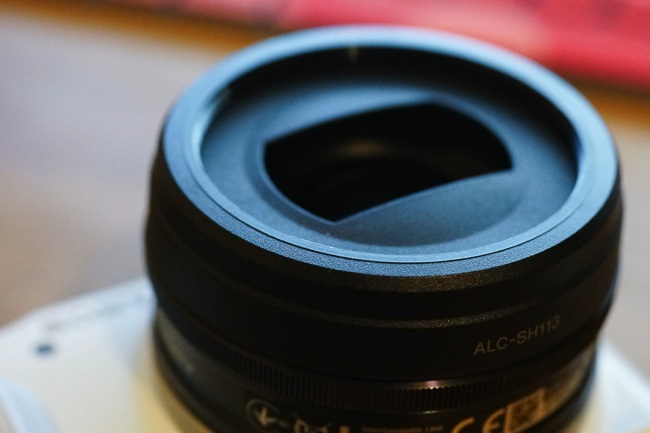
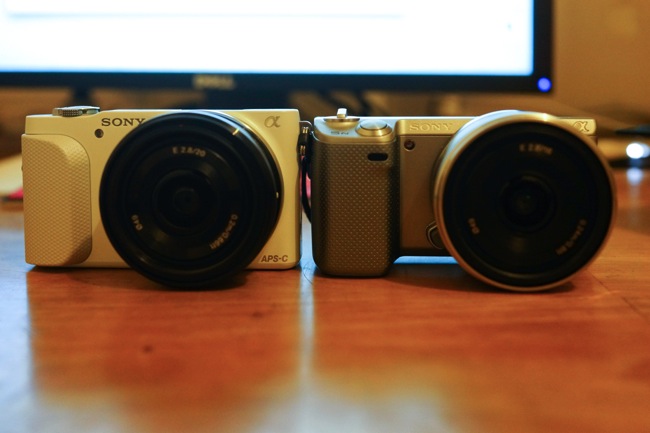
I brought all three Sony cameras on my trip, my own RX1 and NEX-5N, and the review unit of NEX-3N. Carrying 3 cameras seems overwhelming but thanks to their small sizes, I managed to put them into one bag without much effort. NEX-3N is still the smallest among all due to its smaller lens. Here are some pictures I took using NEX-3N when I was in Japan. All the pictures are taken using 20mm F2.8.

ISO 2500, F5.6, 1/60s
Testing the self portrait shooting.. a bit blurry if it's zoomed in. But I guess it's good enough for Internet use.

ISO 1250, F5.6, 1/60s
Waiting for Airport limousine (OK, don't get misled by the name, it's just shuttle bus).

ISO 200, F3.2, 1/500s
The city view of Tokyo from Bunkyo Civic Centre. The huge tower in distance is the Sky Tree.
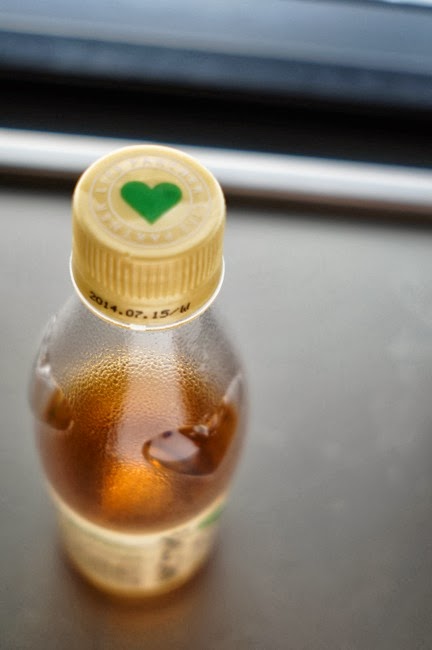
ISO 200, F2.8, 1/200s
A close-up shot of a tea bottle bought from vending machine. I just wanted to try out the bokeh of the lens at F2.8. It seems not bad, just a bit vignette effect at the corners.

ISO 1250, F2.8, 1/60s
Shibuya Station.

ISO 800, F2.8, 1/60s
The grand cross at Shibuya. I set ISO as Auto so that it keeps a minimum of shutter speed at 1/60s, but it is not fast enough to capture the moving people. So ISO should have been higher for this picture.

ISO 200, F4.0, 1/1250s
Muji Shrine. Although NEX-3N has in-camera distortion correction, the lens distortion is still visible.

ISO 200, F8.0, 1/100s
Kofuku-ji in Nara.

ISO 200, F4.5, 1/160s
A portrait shot.. The highlight is a bit overdone but I guess this is kind of Japanese style.

ISO 200, F2.8, 1/160s
There are so many deer in Nara! This is a very little gentle deer (before it saw the food in my palm).

ISO 320, F5.6, 1/60s
Fushimi Inari Shrine in Kyoto, The Senbon Torii is a MUST-SEE! The red wood gate is called Torii in Japnese, and senbon means a thousand. But there are definitely more than a thousand torii like these there!

ISO 1250, F5.6, 1/60s
Handkerchieves in Kyoto. There are many Japanese traditional patterns and prints.

ISO 200, F5.6, 1/640s
Kiyomizu-dera in Kyoto.

ISO 800, F5.0, 1/60s
The Ramen in Japan is unbeatable! This one is from Santouka Ramen. I've also tried Ippudo. They are so much cheaper than the same in Singapore!
Here are some of my thoughts after using the camera on the trip:
1. The NEX-3N is positioned to strike a balance between portability and image quality. To be honest, many of the times I still used my own RX1 and NEX-5N on the trip for better image quality. But I guess for many consumers who are less demanding in image quality, NEX-3N is good enough as well. It's MUCH better than normal point-and-shoot cameras and just takes a little extra space in your bag
2. Image quality wise, the color seems less saturated compared to NEX-5N. That could be due to slightly different settings and lenses.
3. The camera's main body is made of plastic, although it feels less solid than a metalic body, it's less of weight and easy to slot in a small bag (most pockets are still too small for it though).
4. E-mount 20mm F2.8 is good for daily use. It's 30mm in 35mm equivalent, slightly wider than 35mm which makes it great for portraits with some background included. The lens itself is very thin and doesn't take up much space. However, the image distortion is quite obvious even after the in-camera correction. The pictures taken are somewhat soft (probably I am now too spoiled by my RX1!) and F2.8 is just not 'super fast'.
5. The interface is largely similar to other NEX models. Compared to NEX-5N, it offers electronic zoom joystick to conveniently zoom in and out using 'clear zoom'.
6. The flip screen helps in taking self portraits and the soft face touch makes the picture look greater! (Very important for girls :p)
7. The lack in wifi connectivity is kind of disappointing. Though it supports the Eye-Fi card, it would be good to have some basic wireless transferring feature in the machine itself, which makes instant sharing easier.
I could have taken more pictures using NEX-3N, but I think in the end bringing 3 cameras together is still way too much. Two cameras are good enough to complement each other on the trip. So I would suggest photographers to do that as well.
In a nutshell, You should consider NEX-3N if you fall under one of the situations below.
1. upgrading from your point-and-shoot camera.
2. desiring better image quality with tight budget.
3. Getting a second NEX camera body to avoid hassle of changing lens.
4. wanting a camera to take good self-portraits (most likely for ladies).
Hope you have enjoyed this post and feel free to ask me any questions! Happy Friday!